 Save to Pinterest
 There's something about the smell of cinnamon rolls baking that pulls everyone into the kitchen, whether they're invited or not. My neighbor once followed the aroma through our fence and knocked on the door mid-rise, honestly thinking the bakery had moved next door. That's when I knew these rolls were worth perfecting, not just for the taste, but for the way they make a house feel like home the moment they touch the oven.
I made these for my sister's first morning in her new apartment, when the boxes were still everywhere and her kitchen felt foreign and cold. Pulling a warm roll apart and watching the cinnamon layers unspiral was the moment she actually smiled about the move. She's made them at least twice a month since, and now her guests do the same thing my neighbor did.
Ingredients
- All-purpose flour: This is your foundation, and the weight matters more than the volume because fluffing your measuring cup changes everything—spoon and level for best results.
- Active dry yeast: Check the expiration date, especially if it's been sitting in the back of your pantry for six months like mine was the first time I failed at these.
- Whole milk, lukewarm: Too hot kills the yeast, too cold and it won't activate; somewhere between bathwater and body temperature is your target.
- Granulated sugar: This feeds the yeast and sweetens the dough itself, not just the filling, so don't skip or reduce it.
- Unsalted butter, melted for dough: Melted butter incorporates more evenly than cold butter, which is why the texture stays tender instead of dense.
- Large egg, room temperature: Cold eggs cool down the whole mixture and can affect how well the yeast works, so take it out of the fridge while you're mixing dry ingredients.
- Salt: It controls yeast growth and strengthens the gluten structure, so measure it seriously.
- Brown sugar, packed: The molasses in brown sugar adds deeper flavor than white sugar ever could, and packing it means you're getting the right amount.
- Ground cinnamon: This is where you can splurge on quality—cheap cinnamon tastes dusty, and good cinnamon makes these rolls taste like they came from a real bakery.
- Unsalted butter, softened for filling: Softened butter spreads without creating tears in your dough, while cold butter fights back and makes mess.
- Powdered sugar: Sifting it before mixing prevents lumpy glaze, or you can whisk it hard enough to break up the clumps.
- Milk for glaze: A little at a time because you can always add more, but you can't take it back once the glaze gets too thin.
- Pure vanilla extract: The real stuff makes a difference here because the glaze is simple enough that fake vanilla tastes like plastic.
Tired of Takeout? 🥡
Get 10 meals you can make faster than delivery arrives. Seriously.
One email. No spam. Unsubscribe anytime.
Instructions
- Wake up your yeast:
- Combine your lukewarm milk and yeast in a small bowl and let it sit for about five minutes. You'll see it get foamy and smell slightly sweet, which is how you know it's alive and ready to work.
- Build your dough base:
- Mix flour, sugar, and salt in your large bowl, then add melted butter, the egg, and your yeast mixture. Stir until everything comes together into a shaggy mass that looks like it can't possibly become rolls yet, but trust the process.
- Knead until smooth:
- Turn the dough onto a floured surface and knead for eight to ten minutes until it's smooth, elastic, and doesn't stick to your hands as much. Your arms will feel the difference when it's ready, and the dough will spring back when you poke it.
- Let it rise in warmth:
- Place your kneaded dough in a greased bowl, cover it loosely with plastic wrap or a damp towel, and set it somewhere warm for about an hour. The dough should roughly double in size; if your kitchen is cold, turn your oven on for a minute then off, and use that gentle warmth.
- Flatten and fill:
- Punch down the risen dough hard enough to feel good about it, then roll it into a 16-by-12-inch rectangle. Spread softened butter evenly over the whole surface, then sprinkle your brown sugar and cinnamon mixture across every inch.
- Roll and slice:
- Starting from the long side, roll the dough tightly into a log like you're making a spiral, and use a serrated knife or even dental floss to slice it into twelve pieces. Dental floss actually works better because it doesn't squish the soft dough.
- Final rise in the pan:
- Arrange your rolls in a greased 9-by-13-inch baking dish, cover them loosely, and let them rise for thirty to forty-five minutes until they're puffy and touching each other. This second rise is shorter but crucial for that light, fluffy texture.
- Bake until golden:
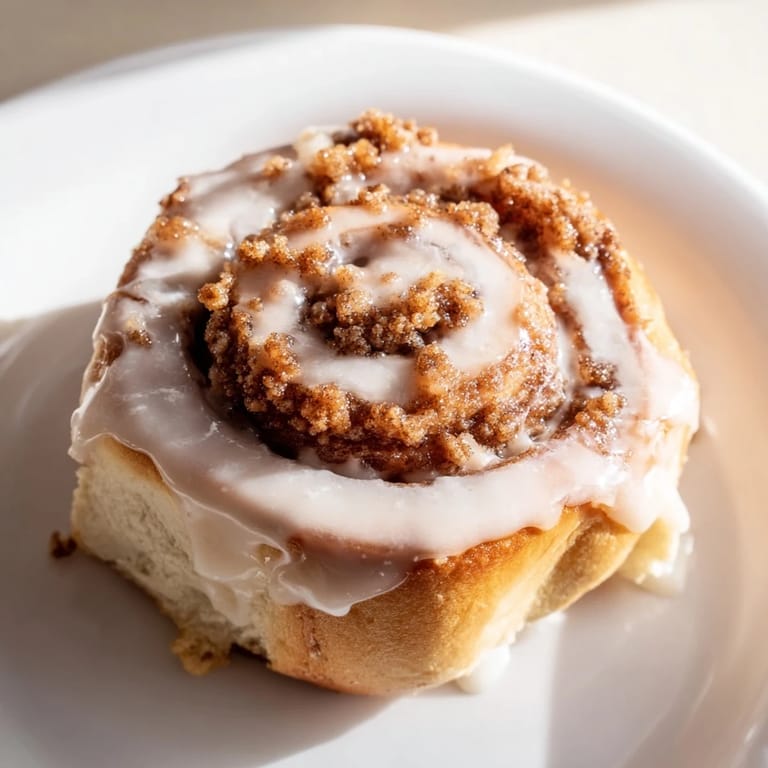
- Heat your oven to 350 degrees Fahrenheit and bake the rolls for twenty-two to twenty-five minutes until the tops are golden brown. They're done when you can see the cinnamon-sugar layers and the whole pan smells like a cinnamon dream.
- Glaze while warm:
- Mix your powdered sugar, milk, and vanilla together with a whisk until smooth, then drizzle it over the rolls while they're still warm enough to soften the glaze slightly. The warm rolls help melt the glaze into every crevice.
 Save to Pinterest
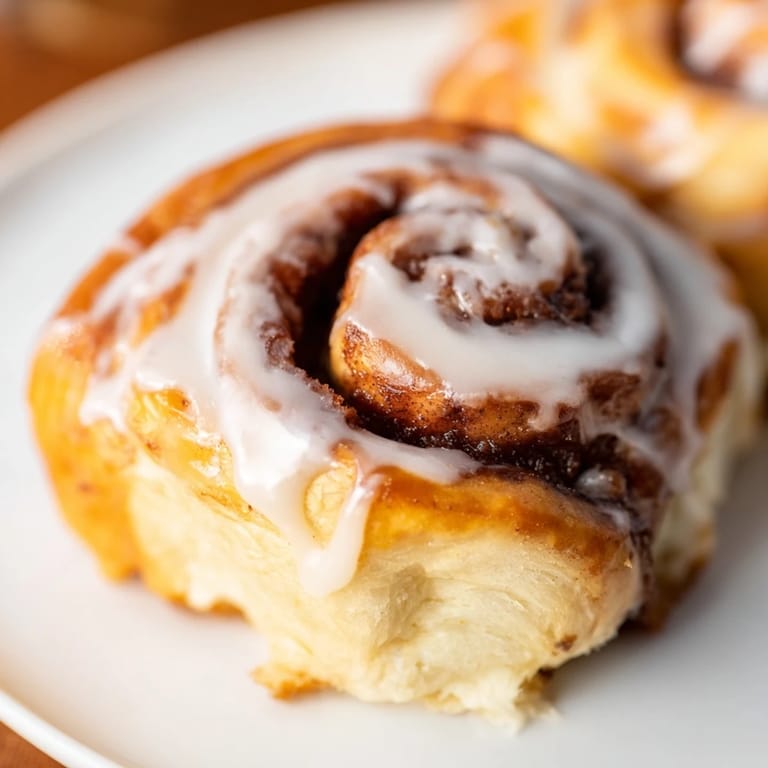
 My kid once asked why cinnamon rolls were called rolls if they were spirals, and I realized I'd never actually explained it to anyone before. It's one of those questions that makes you appreciate how simple and perfect this shape is, how the filling gets distributed as you spiral the dough, and how it all makes sense once someone says it out loud.
The Science of Rise
Yeast is a living thing that produces carbon dioxide gas, which gets trapped in the dough's gluten network and makes everything fluffy. Understanding this changed how I thought about rising times—it's not magic, it's biology, and respecting the timing means respecting the process. Cold kitchens slow everything down, warm kitchens speed it up, and the dough tells you what it needs if you pay attention.
Customizing Your Filling
The cinnamon-sugar filling is just a base, and I've learned that the best part about making these at home is that you control the flavor completely. I've added cardamom for warmth, a pinch of nutmeg for depth, crushed pecans for crunch, and even chopped dried apricots when I wanted something unexpected. The filling is forgiving as long as you butter the dough first, so it acts like glue and keeps everything in place.
Storage and Reheating
Fresh rolls are best within a day, but they keep surprisingly well if you wrap them tightly and refrigerate them for up to four days. I've found that reheating them wrapped in foil at 300 degrees Fahrenheit for about ten minutes brings back that just-baked softness without drying them out. These also freeze beautifully before or after baking, so you can make a batch on Sunday and pull them out throughout the week.
- If your rolls get slightly stale, a microwave for fifteen seconds will steam them back to soft, though it's gentler than you'd think.
- Unglazed rolls can be frozen for up to three months, and you can glaze them fresh after reheating for the best texture.
- Keeping them in an airtight container prevents them from picking up fridge flavors and staling faster than they normally would.
 Save to Pinterest
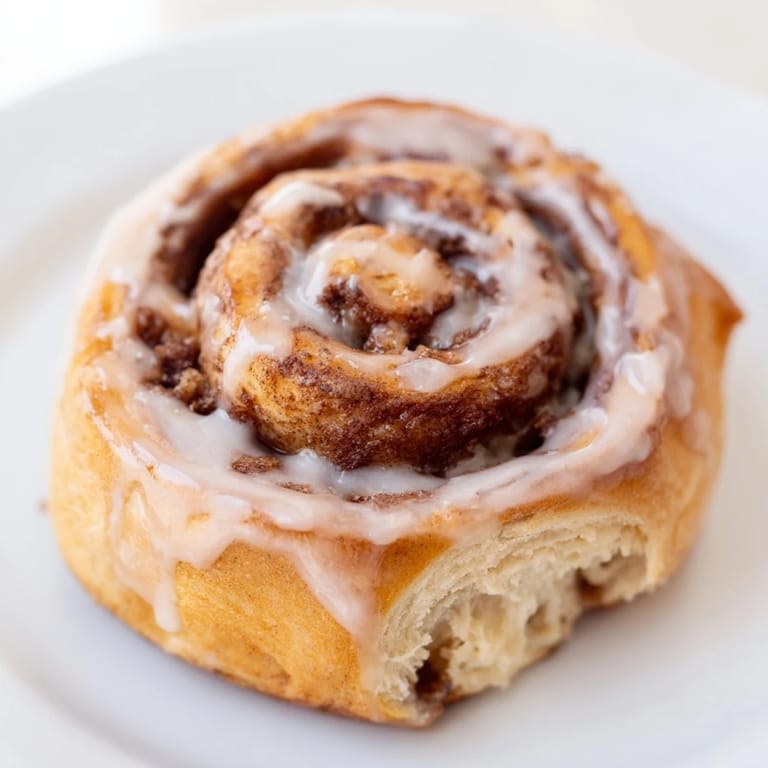
 These rolls are the kind of thing that turns an ordinary morning into something worth remembering. Bake them with patience, and they'll become the thing everyone asks you to bring.
Recipe FAQs
- → How do I ensure the dough rises properly?
Use lukewarm milk to activate the yeast and let the dough rise in a warm, draft-free spot until doubled in size, usually about 1 hour.
- → Can I add nuts or raisins to the filling?
Yes, adding chopped nuts or raisins into the cinnamon sugar mixture adds texture and flavor variations to the rolls.
- → What is the best way to slice the rolled dough?
Use a serrated knife or dental floss to slice the rolled dough into equal pieces for neat and uniform rolls.
- → How do I achieve a soft and fluffy texture?
Knead the dough until smooth and elastic, and allow for sufficient rising time to develop a light, airy crumb.
- → Can the glaze be adjusted for sweetness?
Yes, you can vary the powdered sugar and milk ratio in the glaze to suit your preferred sweetness and consistency.