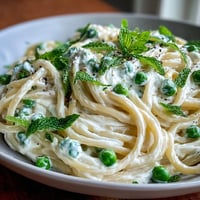
 Save to Pinterest
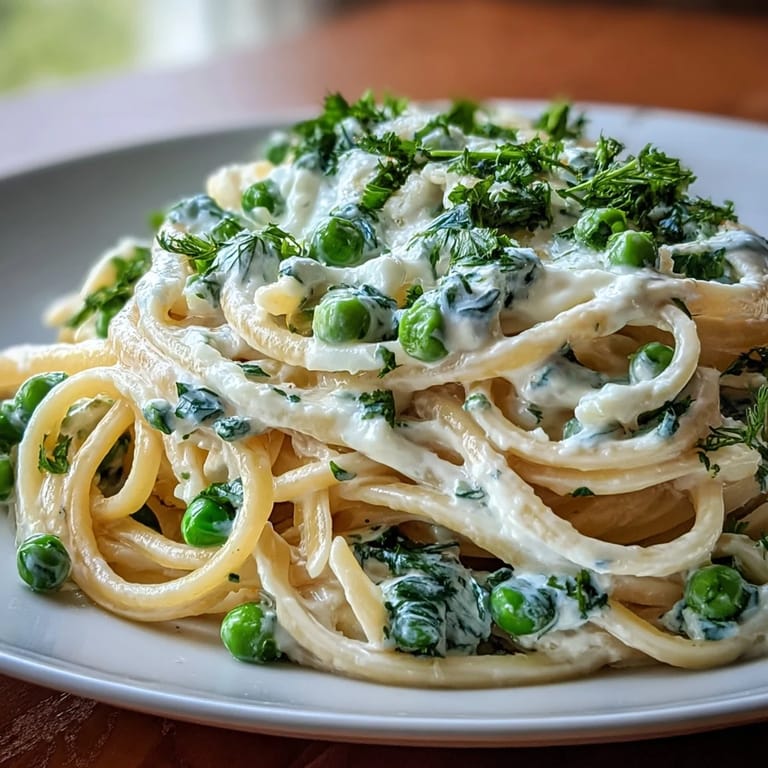
 The first time I made this Spring Pasta, the kitchen windows were wide open and the scent of lemon mingled with fresh air. I'd never thought ricotta belonged in a pasta sauce until a friend swore by its lightness for spring meals. As I stirred together peas and garlicky olive oil, the sound of laughter spilled over from the living room. Every ingredient seemed to brighten the room—especially as the lemon zest hit the bowl. Cooking it felt like chasing away winter, with each stir becoming more playful or hopeful than the last.
I remember whipping this up for a group on a clammy evening, hoping to bring a dash of spring indoors. We crowded around the stove, trading stories and sneaking tastes of the pasta as it cooked. Somebody nearly dropped the colander but managed to save the linguine—and all of us burst out laughing. When the dish finally hit the table, the parsley and lemon made it look as though we'd planned a celebration. The last plates disappeared before anyone noticed how simple the recipe actually was.
Ingredients
- Linguine: Getting the pasta just al dente means your sauce clings perfectly; don't forget to save some cooking water.
- Fresh or frozen peas: Go for fresh peas for extra sweetness, but frozen work beautifully too without fuss.
- Minced garlic: Sautéing briefly avoids bitterness—don't walk away from the pan!
- Lemon zest and juice: Always use an unwaxed lemon and zest before juicing for maximum aroma.
- Chopped fresh parsley: Sprinkle right at the end for a burst of color and grassy freshness.
- Ricotta cheese: Whip till creamy and lump-free; a firm ricotta can be loosened with just a splash of pasta water.
- Grated Parmesan cheese: Adds a nutty, salty base; finely grate for easier melting.
- Extra-virgin olive oil: Use your best bottle for a peppery finish.
- Salt: Always season the pasta water generously, then adjust at the end.
- Freshly ground black pepper: Just a little wakes up the cheese and lemon.
Tired of Takeout? 🥡
Get 10 meals you can make faster than delivery arrives. Seriously.
One email. No spam. Unsubscribe anytime.
Instructions
- Boil the Pasta:
- Fill your biggest pot with water, salt it like the sea, and let the linguine swim until it's just tender. Reserve some cooking water before draining—you'll need it for later magic.
- Sauté Garlic & Peas:
- Heat olive oil in a skillet, toss in garlic and listen for that fragrant sizzle. Add peas, cooking until they turn bright green magic—if using frozen, give them an extra minute.
- Make the Ricotta Mixture:
- Combine ricotta, lemon zest, juice, Parmesan, salt, and pepper in a mixing bowl; whisk until the mixture is smooth and creamy.
- Combine Pasta and Sauce:
- Tip hot linguine and peas straight into the bowl, tossing gently as you pour in reserved pasta water until the sauce hugs each strand.
- Finish and Serve:
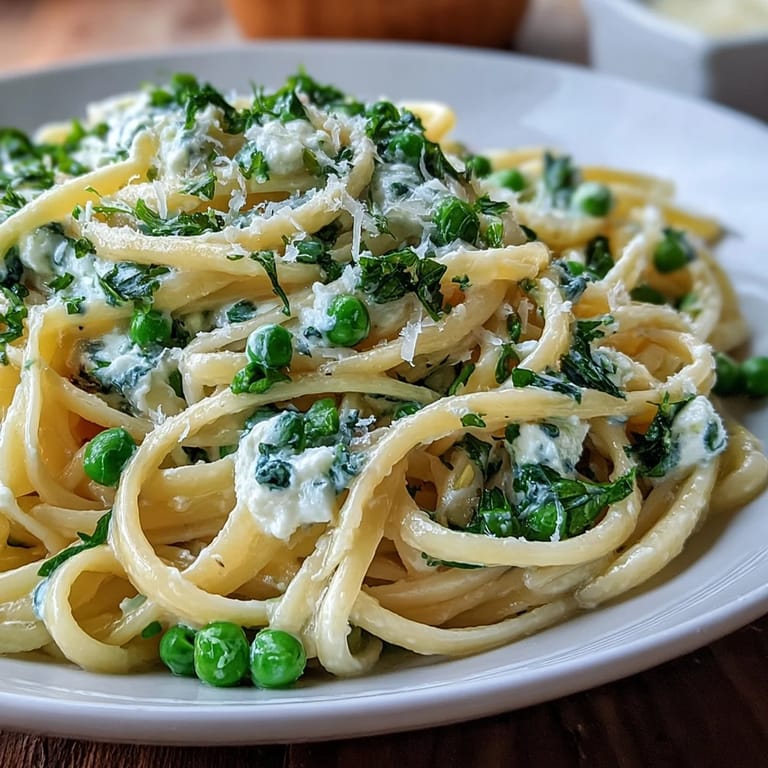
- Sprinkle chopped parsley over the top, taste for seasoning, and pile onto plates. Add more Parmesan or lemon zest for extra flair.
 Save to Pinterest
 This dish became more than just dinner on the night my cousin arrived unexpectedly—hungry, tired, and shivering from a long train ride. With food ready in under half an hour, she relaxed at the table, telling stories over creamy pasta, and the kitchen felt like spring itself, regardless of the chilly weather outside.
How Spring Flavors Shine Here
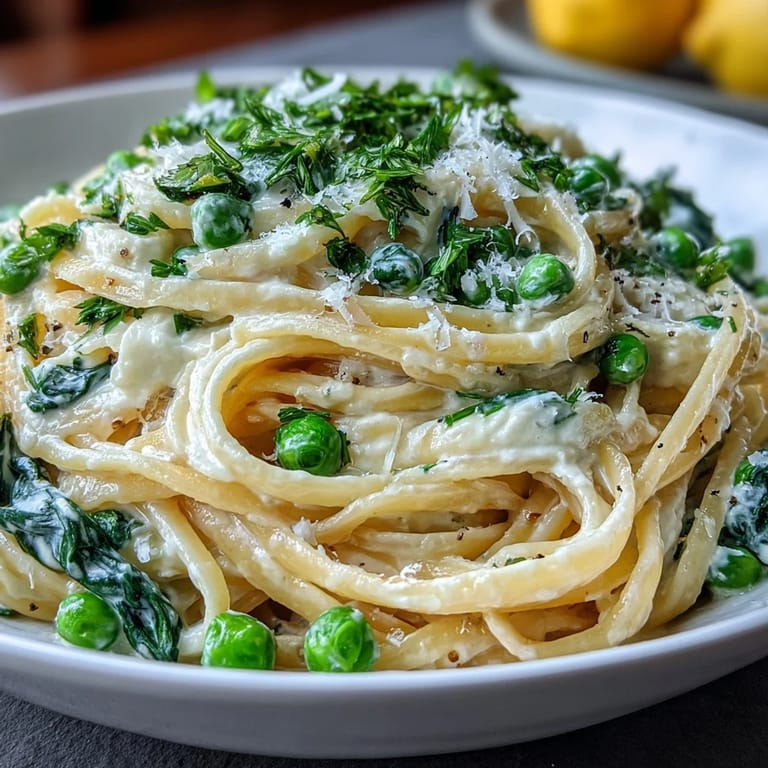
The burst of peas and lemon immediately brightens up the kitchen with scent and color. Sometimes, I add baby spinach or arugula for extra green pop—the fresh elements balance the creaminess of ricotta and keep things feeling light. You can swap the linguine for spaghetti, but linguine catches the sauce in a way that's truly satisfying. Letting the pasta rest in the sauce for a minute lets flavors mingle. Keep an extra lemon handy in case you need more zest.
Making Sauces Creamier Without Cream
The reserved pasta water trick never fails—I notice the sauce cling better and stay velvety. Whisking ricotta well and using some warm pasta makes a huge difference, and adding the peas with garlic oil at the end smells incredible. If you ever want a richer version, mascarpone works but ricotta always feels fresher. Don't skip the lemon juice: it brings out everything you want.
Last Touches For Serving to a Crowd
When serving a tableful of friends, I scatter extra parsley and Parmesan for a festive look, and add lemon wedges so everyone can squeeze their own. The dish holds well for a few minutes, but the magic is at its peak when it's eaten hot. Keeping a chilled bottle of white wine nearby completes the vibe.
- If you're making ahead, keep sauce and pasta separate until serving.
- Swap in whole-wheat pasta for a hearty twist.
- Always check cheese labels for unexpected allergens.
 Save to Pinterest
 Here's to spring in every bite, whether you serve this on a sunny day or for cozying up inside. Hope the citrus and creaminess inspire a little joy at your table as they always do at mine.
Recipe FAQs
- → How can I keep the pasta creamy?
Reserve some pasta water and add it gradually when tossing with the ricotta mixture. This helps emulsify the sauce, creating a velvety texture.
- → Can I use frozen peas?
Yes, frozen peas work well. Just cook them slightly longer in the skillet to ensure they are tender and bright green.
- → What type of cheese pairs best?
Ricotta and Parmesan add classic richness. For variation, try mascarpone for a silkier result or more grated Parmesan for extra savoriness.
- → How do I make it more nutritious?
Swap in whole-wheat pasta or add greens like baby spinach or arugula when cooking the peas for added fiber and freshness.
- → Which wine goes well with this dish?
Sauvignon Blanc or Pinot Grigio complement the lemon and creamy flavors, enhancing the meal's spring character.
- → Is this suitable for vegetarians?
Yes, the dish uses dairy and pasta without meat. Double-check cheese and pasta labels for strict vegetarian requirements.