 Save to Pinterest
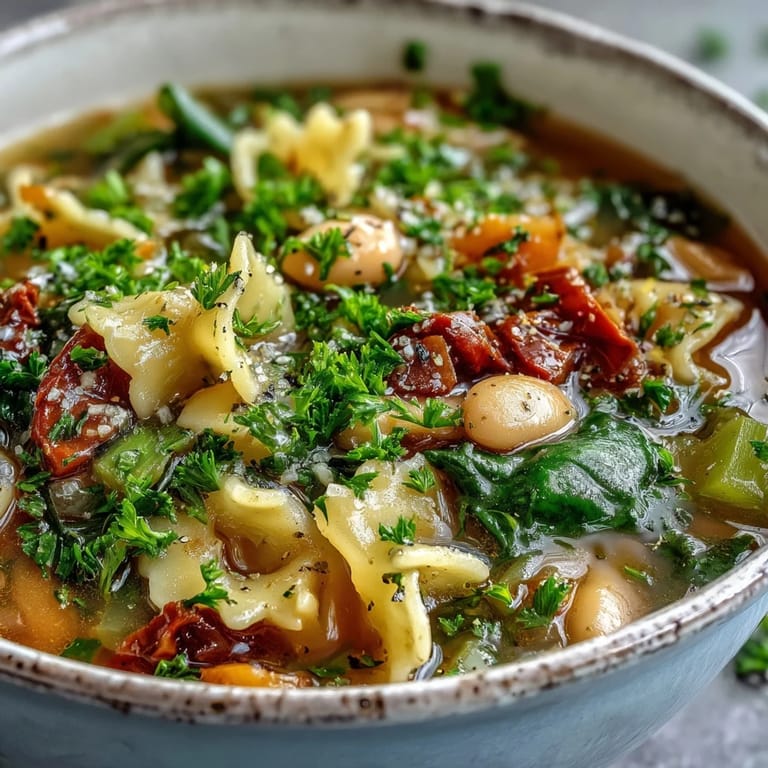
 The first time I saw a pot of minestrone bubbling on my tiny apartment stove I knew I had finally mastered the art of cleaning out the fridge. It felt like a small victory to see a collection of random vegetables transform into something so vibrant and smelling of dried herbs. I tossed in a handful of pasta just as the sun started setting through the kitchen window. Now every time I chop carrots and celery I am transported back to that quiet evening.
One chilly October afternoon my neighbor dropped by just as I was adding the beans to the pot. We ended up sitting at the wooden table for hours sharing bowls of soup and talking about our favorite childhood meals. The steam from the soup fogged up the windows creating a cozy barrier against the autumn wind. It was one of those rare moments where a simple meal turned a regular Tuesday into a memory I still cherish.
Ingredients
- Olive oil: Good quality oil provides the foundation for the aromatic base of the soup.
- Onion celery and carrots: These three form the classic mirepoix that builds the essential flavor profile.
- Garlic: Freshly minced cloves add a punchy brightness that dried versions simply cannot match.
- Zucchini: I love how these little cubes soak up the tomato broth while keeping a slight crunch.
- Green beans: Adding these provides a lovely snap and a pop of bright color to the bowl.
- Baby spinach: Stirring these in at the very end keeps the leaves tender and vibrant green.
- Diced tomatoes: They provide the necessary acidity and body to the simmering liquid.
- Vegetable broth: Using a high quality stock ensures every spoonful is packed with savory goodness.
- Tomato paste: This concentrated gold adds a hidden layer of umami that makes the soup taste professional.
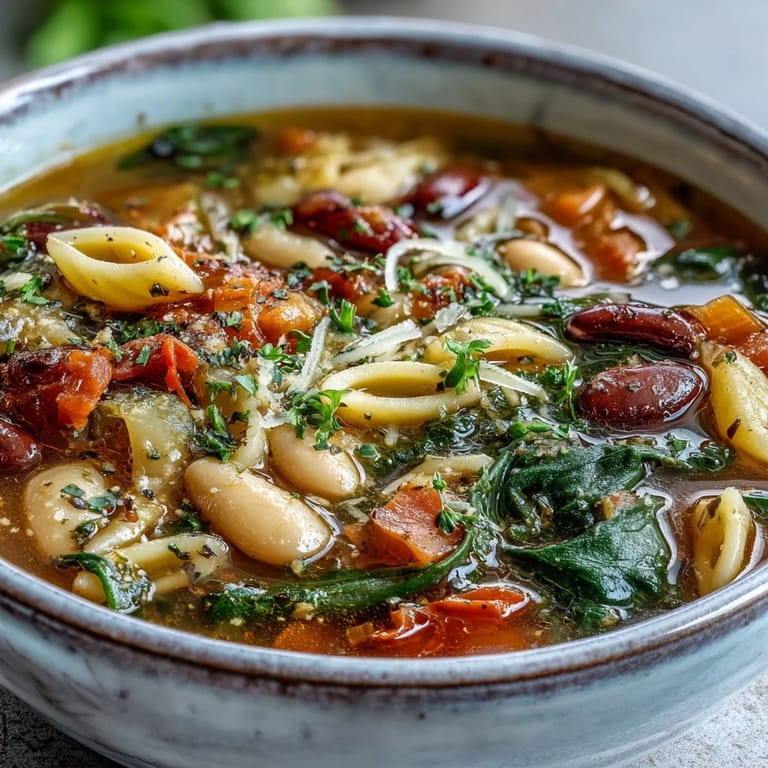
- Small pasta: Ditalini or elbows are perfect because they fit right onto your spoon with the vegetables.
- Cannellini beans: These creamy beans add a satisfying heartiness and a boost of plant based protein.
- Dried herbs: Using a blend of oregano and basil infuses the broth with that unmistakable Italian kitchen scent.
- Dried thyme: Just a pinch adds an earthy floral note that rounds out the other herbs perfectly.
- Bay leaf: Letting this simmer in the pot is the secret to a professional tasting broth.
- Fresh parsley: A final sprinkle adds a burst of freshness that wakes up all the cooked flavors.
Tired of Takeout? 🥡
Get 10 meals you can make faster than delivery arrives. Seriously.
One email. No spam. Unsubscribe anytime.
Instructions
- Sauté the aromatics:
- Heat the oil in your heaviest pot and cook the onion celery and carrots until they turn soft and fragrant. Watch for the onions to become translucent as they release their natural sweetness.
- Introduce the vegetables:
- Stir in the garlic zucchini and green beans to let them toast slightly before the liquid arrives. This brief contact with the heat helps lock in their bright colors.
- Simmer the base:
- Pour in the tomatoes broth and herbs then let everything bubble together to marry the flavors. Keep the heat at a gentle roll to prevent the vegetables from becoming too mushy.
- Cook the pasta:
- Toss in your pasta and beans then keep an eye on the clock so the noodles stay perfectly firm. The beans will absorb the savory broth and become even more flavorful.
- Wilting the greens:
- Fold in the spinach and parsley during the last few minutes until they just begin to soften. Their fresh green hue will make the whole pot look like a garden.
- Final seasoning:
- Taste your creation and add salt or pepper to ensure every note is perfectly balanced before serving. Remember to remove the bay leaf before you start ladling.
 Save to Pinterest
 There was a time when I accidentally added way too much pepper but my brother insisted it was the best version yet. We laughed as we reached for extra water realizing that even kitchen mishaps have a way of bringing people closer together.
The Art of the Sauté
Taking the time to properly brown your onions and carrots is not just a step it is an investment in flavor. I used to rush this part but I learned that the natural sugars need those few extra minutes to really sing. You will notice the difference in the final color of your broth.
Choosing Your Greens
While the recipe calls for spinach I have often used kale or even swiss chard when that was all I had on hand. If you use a sturdier green like kale remember to add it a few minutes earlier so it has time to tenderize. It adds a wonderful texture that holds up well against the soft beans.
Serving Suggestions
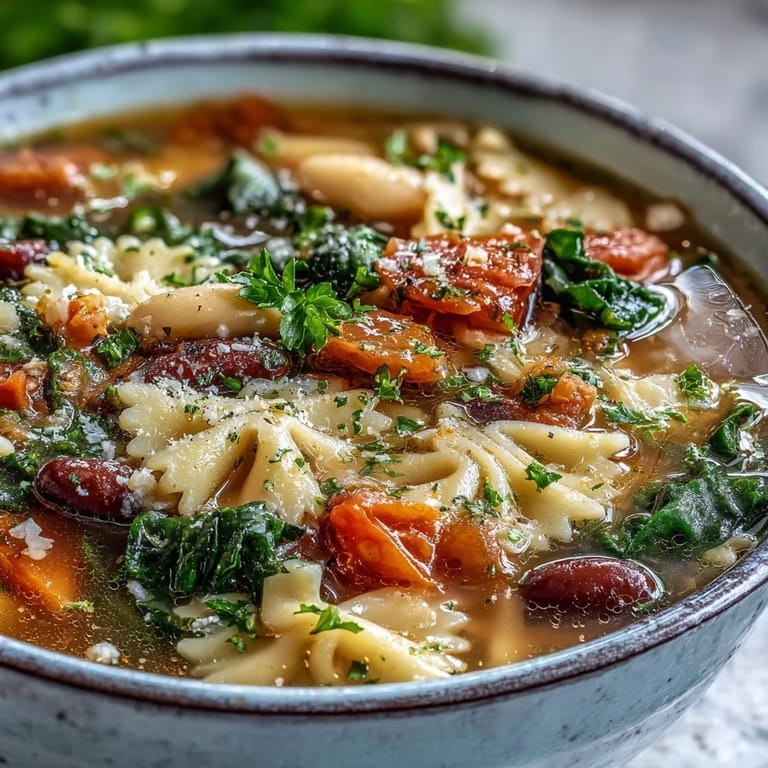
A thick slice of toasted sourdough rubbed with a garlic clove is the perfect companion for dipping into the broth. I always keep a wedge of Parmesan in the fridge specifically for grating over the top of a hot bowl. Here are a few final things to keep in mind.
- A splash of lemon juice right before serving can brighten the entire dish.
- Store any leftovers in airtight containers for a quick and healthy lunch the next day.
- Feel free to swap the cannellini beans for chickpeas if you prefer a firmer bite.
 Save to Pinterest
 I hope this soup brings as much warmth and comfort to your kitchen as it does to mine. Enjoy every spoonful of this wholesome homemade goodness.
Recipe FAQs
- → What vegetables work best in minestrone?
Classic options include onions, celery, carrots, zucchini, green beans, and leafy greens like spinach or kale. You can also add seasonal vegetables such as diced potatoes, bell peppers, or Swiss chard based on availability and preference.
- → Can I make minestrone gluten-free?
Yes, simply substitute regular pasta with gluten-free varieties like rice pasta, corn-based shapes, or quinoa pasta. Also ensure your vegetable broth is certified gluten-free, as some brands contain trace amounts from manufacturing processes.
- → How long does minestrone keep in the refrigerator?
Stored in an airtight container, minestrone keeps well for 4-5 days. The pasta may absorb additional liquid, so you might need to add extra broth when reheating. The flavors often improve after resting overnight.
- → Can I freeze minestrone for later?
Yes, minestrone freezes beautifully for up to 3 months. Consider cooking pasta separately and adding it when reheating, as pasta can become mushy when frozen. Cool completely before transferring to freezer-safe containers, leaving some room for expansion.
- → What type of pasta is traditionally used?
Small shapes that catch the broth are ideal, such as ditalini, elbows, shells, or small macaroni. These sizes distribute evenly throughout the soup and maintain texture better than larger varieties during longer cooking times.