 Save to Pinterest
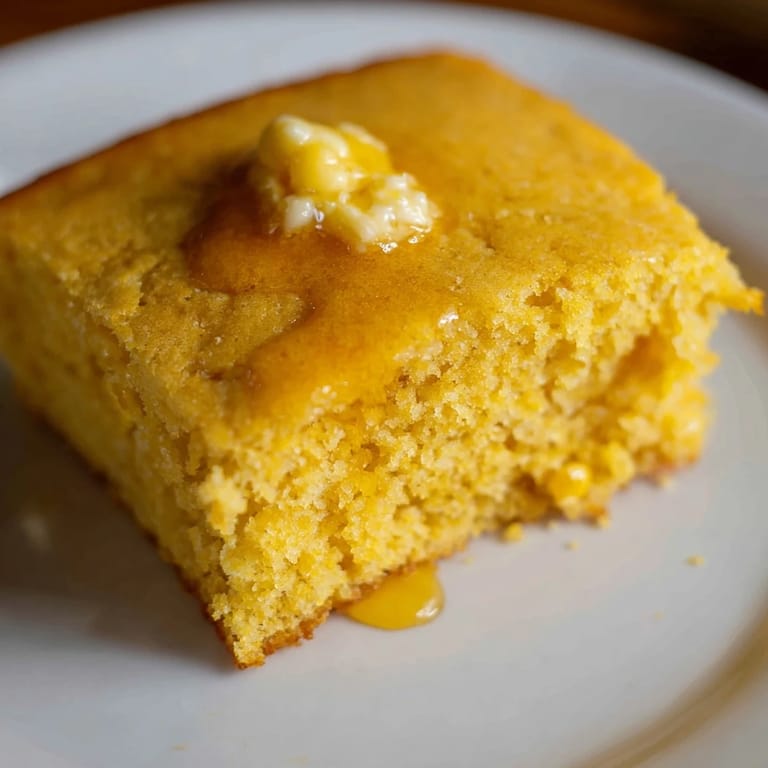
 My grandmother kept a cast-iron skillet on her stove year-round, and cornbread was her answer to almost everything. I didn't understand the appeal until I tasted hers—golden, slightly sweet, with a crispy edge that shattered under my teeth. The first time I made it myself, I overworked the batter and ended up with something closer to a brick, but the second attempt taught me the magic word: gentle. Now this recipe feels like muscle memory, the kind of quick bread that fills a kitchen with warmth in under an hour.
I once made this for a neighborhood chili cookoff, baked it in my cast-iron skillet, and served it straight from the oven wrapped in a kitchen towel. People came back for seconds not just because the cornbread was good, but because it arrived warm and smelled incredible—that combination of cornmeal and butter toasting in the oven creates a scent that pulls everyone into the kitchen.
Ingredients
- Yellow cornmeal: The star that gives this bread its distinctive texture and flavor; coarser than flour, it creates those little pockets of tenderness that make cornbread special.
- All-purpose flour: Provides structure without making the crumb dense; the ratio to cornmeal is what keeps this bread light.
- Granulated sugar: A quarter cup is just enough to enhance the cornmeal's natural sweetness without tipping into cake territory.
- Baking powder and baking soda: Work together to give you that quick rise and fluffy texture; don't skip either one.
- Fine sea salt: Amplifies the corn flavor and balances the sweetness more elegantly than kosher salt does.
- Whole milk or buttermilk: Buttermilk adds a subtle tang that deepens the corn flavor, but whole milk works beautifully too.
- Eggs: These bind everything and contribute to that tender crumb; make sure they're at room temperature for even mixing.
- Melted butter and vegetable oil: The combination gives you moisture and that slight crispy edge; oil keeps it tender, butter adds richness.
- Honey: Optional, but two tablespoons adds complexity and keeps the cornbread moist longer.
Tired of Takeout? 🥡
Get 10 meals you can make faster than delivery arrives. Seriously.
One email. No spam. Unsubscribe anytime.
Instructions
- Preheat and prepare:
- Set your oven to 400°F and grease an 8-inch square pan or 9-inch cast-iron skillet with butter. If using cast iron, let it warm in the oven while you mix the batter—that hot pan is what creates that coveted golden crust.
- Mix the dry team:
- In a large bowl, whisk together cornmeal, flour, sugar, baking powder, baking soda, and salt until no lumps remain and everything looks evenly combined.
- Blend the wet ingredients:
- In a separate medium bowl, whisk milk, eggs, melted butter, oil, and honey until fully combined and smooth.
- Bring them together gently:
- Pour the wet ingredients into the dry ingredients and stir with a spatula until just barely combined. Stop as soon as you don't see dry flour anymore; lumps are your friend here, and overmixing is the enemy.
- Into the pan:
- Pour the batter into your prepared pan or hot skillet and smooth the top lightly with a spatula.
- Bake until golden:
- Bake for 20–25 minutes until the top is golden brown and a toothpick inserted in the center comes out clean or with just a few moist crumbs clinging to it.
- Cool and serve:
- Let it rest in the pan for 10 minutes before slicing; this helps it hold together while still being warm enough to be perfect.
 Save to Pinterest
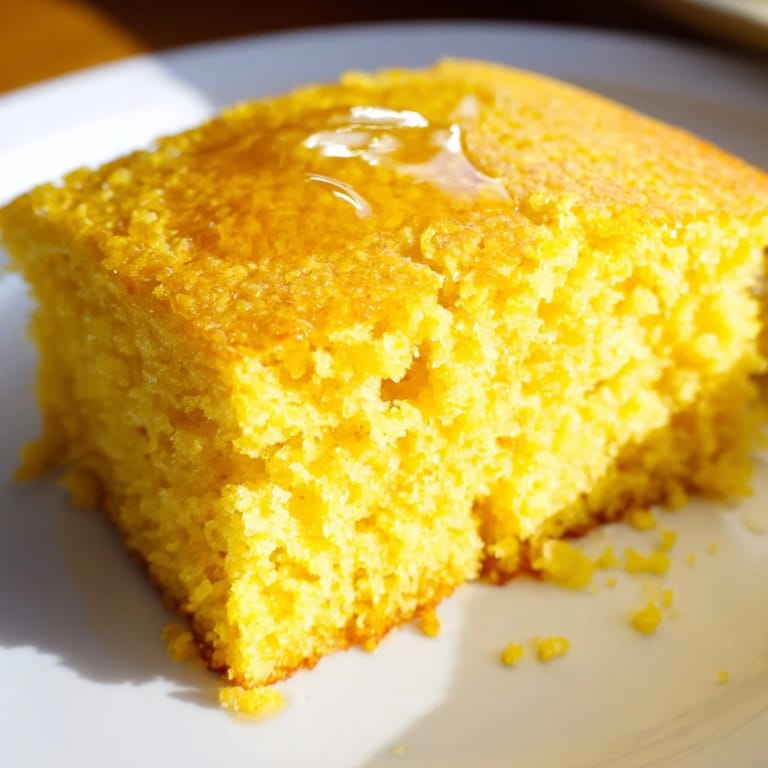
 There's a moment between the oven timer and the first slice when you stand there with butter melting on warm cornbread, and suddenly it's not just food anymore—it's comfort, simplicity, and proof that the best things don't require fancy techniques. That's what this bread does.
The Sweet and Savory Question
Cornbread walks a delicate line between sweet and savory, and where it lands depends on your mood and what you're serving it with. Some people reduce the sugar to two tablespoons if they're pairing it with something rich like beef chili, while others add the honey for a softer crumb and sweeter finish when serving alongside lighter soups. The quarter cup of sugar in this recipe hits the middle ground—it's present enough to enhance the corn flavor without making it taste like cake, but it also means you can easily adjust in either direction next time without changing anything else.
Variations That Deserve Your Attention
The base recipe is perfect on its own, but it's also incredibly forgiving with add-ins. Shredded cheddar cheese transforms it into something that works alongside chili or barbecue in a different way, while chopped scallions add a gentle onion note that brings out the savory side. If you like heat, a finely diced jalapeño scattered through the batter gives you warmth and brightness without overpowering the corn. I've also added cooked crispy bacon, fresh corn kernels, and even a sprinkle of everything bagel seasoning—the ratio of wet to dry stays the same, and nothing about the technique changes.
Serving and Storage Wisdom
Cornbread is best eaten the day it's made while still warm or at room temperature, which is why it's perfect for quick meals and impromptu gatherings. If you do have leftovers, they'll keep in an airtight container for three days, and you can refresh them gently in a 350°F oven for five minutes. Some people freeze cornbread successfully, though the crumb becomes slightly less tender—it's still good, just different.
- Serve warm with honey butter, compound butter with herbs, or softened butter mixed with hot honey for a sweet-spicy contrast.
- Leftover cornbread makes excellent croutons for salads or the base for a savory bread pudding the next day.
- Cut it into squares and wrap individual pieces in foil if you're taking it to a potluck or serving it alongside grilled food.
 Save to Pinterest
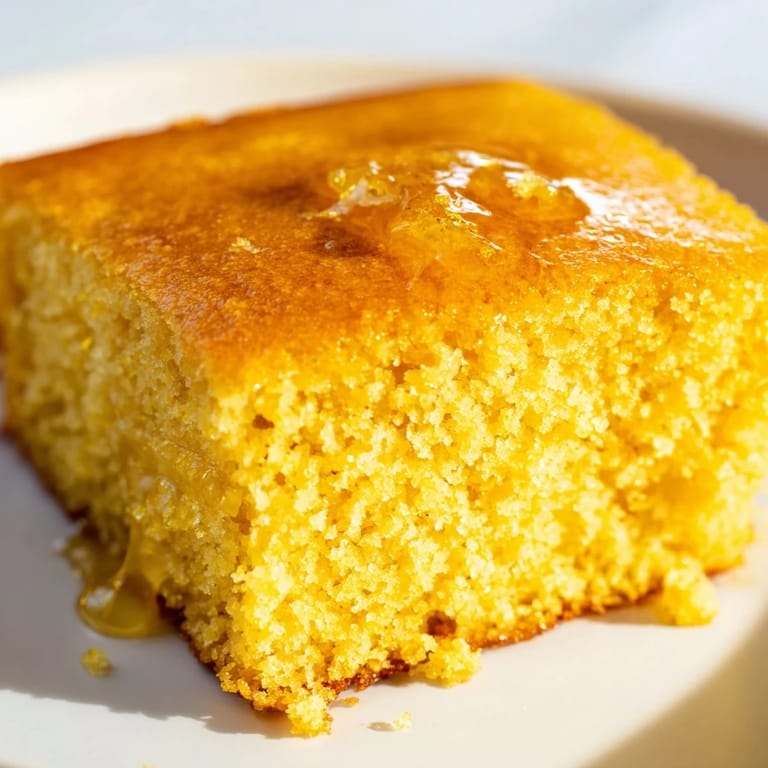
 This cornbread is the recipe I reach for when I want something warm, satisfying, and ready in less than an hour. It's become the kind of dish that tastes like home no matter whose kitchen it's made in.
Recipe FAQs
- → What gives the cornbread its golden crust?
The golden crust forms from baking the batter at a high temperature, allowing the sugars and fats to caramelize on top, creating a crisp, golden finish.
- → Can I make this cornbread dairy-free?
Yes, you can substitute the milk and butter with plant-based alternatives like almond milk and vegan butter to maintain moisture and flavor.
- → How can I add a savory twist to this bread?
Incorporate shredded cheddar cheese, chopped scallions, or diced jalapeños into the batter before baking for extra savory notes.
- → What causes the cornbread to be tender inside?
The combination of eggs, milk, and melted butter helps create a moist, tender crumb by providing fat and moisture that tenderizes the cornmeal mixture.
- → Is it possible to make gluten-free cornbread with this method?
Yes, replacing all-purpose flour with an equal amount of gluten-free flour blend allows you to maintain texture and structure without gluten.
- → Why should the batter not be overmixed?
Overmixing develops gluten in the flour, leading to a tougher texture. Gentle stirring keeps the crumb light and tender.